Businesses are drowning in data but starving for clear stories. This creates a clear opening for freelancers who can use AI to translate raw numbers into client-ready reports. In 2025, this work moves beyond simple dashboard design.
Clients now pay for your ability to configure systems that find insights automatically and explain what they mean for their bottom line.
The most valuable freelancers are those who act as interpreters between data and decision-makers. They set up the machines that do the heavy lifting and then step in to provide the crucial human context.
Let’s take a look at the specific jobs available and where to learn the right skills.
| Gig Type | What You’ll Actually Do | The Training Path |
| The Automated Storyteller | Use platforms like Whatagraph to build client reports that write their own performance summaries and highlight key trends. | Hands-on practice with AI-powered reporting software. |
| The Data Unifier | Connect a client’s scattered data from ads, social media, and sales into a single, clean source of truth for reporting. | Courses on data blending, custom metrics, and no-code data preparation. |
| The Performance Monitor | Set up live client dashboards that track key metrics and send automatic alerts when something needs human attention. | Learning platforms with a focus on real-time data visualization and alert systems. |
| The Strategic Consultant | Advise businesses on which AI reporting tools to buy and how to fit them into their existing team workflows. | Deep-dive training on multiple platforms and business process analysis. |
A Look at the Training
Each learning path prepares you for a different kind of work. Some give you immediate, practical skills for common freelance tasks, while others build a broader strategic understanding.
Whatagraph: The Automated Storyteller
Whatagraph is built for freelancers who need to deliver polished reports fast. The platform focuses on pulling data from many marketing channels into one place. Its AI features are designed to handle the writing part of the job.
You learn to use its AI chatbot to ask questions about a client’s data, like “Which campaign had the highest ROI last quarter?” The answer comes with a summary you can paste directly into a report. The system can also generate entire report sections automatically, turning a collection of charts into a narrative a client can actually understand.
This training is for freelancers who want to focus on analysis and client communication, not manual copy-pasting.
Klipfolio: The Performance Monitor
Klipfolio, particularly its PowerMetrics product, trains you to think in systems. It is less about generating a static PDF and more about building live dashboards that track business health. The learning curve involves more data preparation, but the outcome is a more integrated solution.
The platform’s AI helps you explore data by asking questions in plain language, which then creates visualizations on the fly. For a freelancer, this skill allows you to build monitoring tools for clients.
You can create a dashboard that watches ad spend in real-time or tracks website conversion rates, sending an alert the moment something unusual happens. This gig is about building early-warning systems, not just retrospective reports.
Coursiv: The Skill Habit Builder
Coursiv.io takes a different approach. It is not a reporting tool itself but a training ground for building the daily habits needed to use AI effectively. Its method uses short, interactive lessons and project-based challenges.
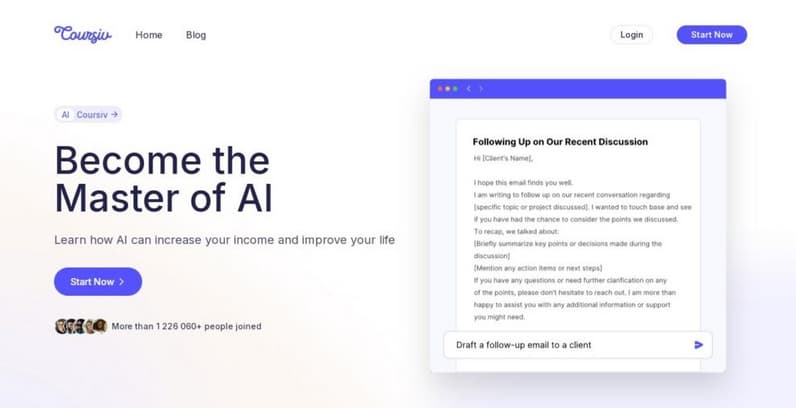
A freelancer could take a challenge focused on data automation. The daily lessons would walk you through the steps of connecting data sources and interpreting AI-generated insights, applying each concept directly to a sample client project.
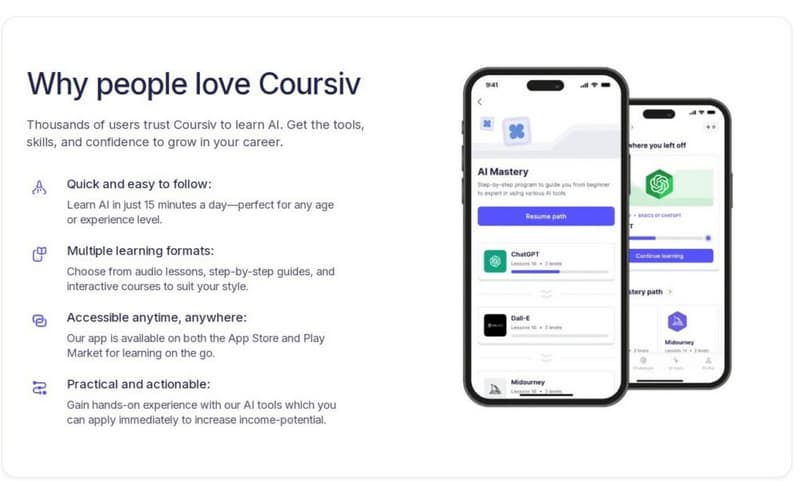
The value is in building consistent, practical skills. It ensures you can confidently use the technical features of other platforms by making learning a regular part of your workflow.
Sobot: The Strategic Consultant
Sobot offers a more corporate-focused path. Its training concentrates on implementing AI in customer service and support operations. This knowledge is for freelancers who want to work with established companies on their internal reporting.
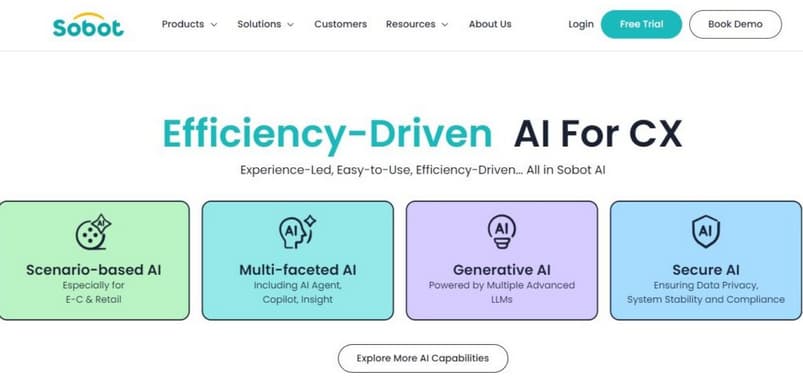
You learn how to position AI reporting as a tool for operational efficiency. The training covers setting up systems that show how support ticket volume correlates with marketing campaigns or how chatbot interactions reduce team workload.
This lets you sell your services as a strategic investment that saves money and improves customer experience, moving beyond simple marketing reports.
The Human Edge in AI Reporting
Mastering a reporting tool is only half the job. The other half, and what often justifies a higher rate, is managing the client’s transition from chaos to clarity. Your first task is often to help them define what they should even be measuring.
Many clients will ask for “all the data.” Your value comes from guiding them toward the three to five metrics that truly indicate growth or trouble for their specific business. An e-commerce store cares about cart abandonment and customer lifetime value. A B2B consultancy needs lead response time and proposal conversion rates. You are not just a technician; you are a strategist who defines what success looks like.
Your final deliverable should always include a simple “What to Do Next” section. An AI can highlight a 20% drop in website traffic. You provide the context: “This drop started after the blog redesign. I recommend a 301 redirect audit and a review of your most-shared old posts.” This shift from “what happened” to “here’s how we fix it” is where your freelance business moves from a commodity to a consultancy. The AI provides the ‘what,’ but your insight provides the ‘so what.’
Wrapping Up: Matching Skills to Market Needs
Your best starting point depends on the problems you want to solve for clients.
If your goal is to quickly deliver beautiful, automated marketing reports, diving into Whatagraph provides the most direct path.
To build live business intelligence dashboards that monitor performance, Klipfolio’s system-focused training is the right fit.
If you learn best by doing and want to build consistent, daily skills with AI tools, Coursiv’s challenge-based method turns learning into a habit.
And if you aim to advise larger companies on tool selection and workflow integration, Sobot Academy’s strategic approach builds the necessary credibility.
The market pays for clarity. Pick the training that teaches you to deliver it.