You flew to Porto for a reason. Maybe a software engineering conference, maybe a client, maybe you just shipped something huge and finally have a few days to breathe. Either way, you are here now, and it would be a waste to spend the free hours doomscrolling in a hotel room when one of Europe’s great wine cities is right outside.
Port wine is the reason to get out. And it is far more interesting than the sweet stuff most people write it off as. Port is the output of a centuries-refined process, grapes grown on the steep terraces of the Douro Valley, fermentation stopped early with grape spirit to keep it sweet and strong, then shipped down the river to age for years in cool riverside cellars. Anyone who appreciates a well-built system with clear, deliberate stages tends to find the whole thing quietly satisfying.
The catch is that “doing port wine” can mean five very different things, from a 90-minute tasting to a full day in the valley. Which one is right depends on how much time you have and how deep you want to go.
A few things separate a good experience from a forgettable one. A knowledgeable guide who gives you context and provenance beats a place that just pours volume. Small groups keep it personal. And you want honest pricing, including whether lunch is actually included on the day trips, plus booking ahead in harvest season and summer when the good slots fill.
One geographic note that trips people up: the famous cellars are not in Porto itself. They sit across the river in Vila Nova de Gaia, a ten-minute walk over the Dom Luís I Bridge. Here are the best ways to experience it all, ranked.
1. Compare and Book It All in One Place
Porto has cellar tours, valley day trips, river cruises, and harvest experiences, spread across dozens of lodges and operators of very mixed quality. Sorting that from a conference schedule is exactly the kind of overhead you do not need. Porto Wine Tours is a platform built around this specific trip, so instead of guessing you get the options laid out clearly by type, length, and what each one actually includes.
The value is that it matches the experience to your time and your interest. You can weigh a quick city tasting against a full Douro day, see which tours include lunch and transport, and pick a reputable operator rather than rolling the dice on a random listing.
You can compare Porto and Douro wine tours here and book before you land, which matters in September and October when the best experiences sell out. Think of it as picking a proven stack instead of wiring everything together yourself.
Best for anyone who wants the right experience without the research overhead. If you already know the exact lodge you want, book it directly.
2. The Quick Version: A Cellar Tour and Tasting in Gaia
If you only have a free afternoon, cross the bridge to Vila Nova de Gaia. More than fifty port lodges sit clustered on one hillside, and a single cellar tour is the most efficient way to understand what port actually is. You walk through the dim, cool aging cellars stacked with enormous oak barrels, learn how fortification works, and finish with a tasting.
Historic houses like Taylor’s, founded back in 1692, run consistently well-reviewed visits, often self-guided with an audio guide, ending with a glass on a terrace over the river. Others like Graham’s offer longer guided premium tours for people who want to go deeper.
One rule worth following: do not book two cellars on the same day. The tastings blur together and your palate stops being able to compare. Spread them out.
Best for time-pressed visitors who want the essential experience in 90 minutes. Not enough on its own if port is the whole reason you came.
3. The Full Day: A Douro Valley Wine Tour
To really get it, go to the source. The Douro Valley sits about 90 minutes east of Porto, and it is genuinely one of the most beautiful wine regions on Earth, terraced vineyards falling steeply to the river, largely unchanged for centuries. It is the world’s first officially demarcated wine region and a UNESCO World Heritage site.
A day trip visits the quintas, the estates where the grapes are actually grown, with tastings and usually lunch overlooking the valley. Seeing where the wine begins, after tasting where it ages in Gaia, closes the loop in a way the city alone cannot.
These tours leave early, typically 8 to 9 in the morning, and run most of the day, so eat breakfast first and check whether lunch is bundled, since the cheaper options quietly drop it.
Best for anyone who wants the complete picture and can spare a full day. Skip it if you are truly only in town for an evening.
4. The Scenic Route: A Douro River Cruise
The river built this whole industry, so seeing it from the water makes sense. Historically, port was floated down the Douro in flat-bottomed rabelo boats from the valley to Gaia, and today you can trace part of that route on a cruise.
Options range from a short six-bridges cruise right in Porto to a full-day valley cruise that glides past the terraced slopes. It is the low-effort, high-reward choice, all scenery and no logistics, and it pairs naturally with a valley day trip.
The short city cruises are more sightseeing than wine, so manage expectations if tasting is your priority.
Best for travelers who want the landscape and a relaxed pace over deep wine education.
5. The Deep Dive: The Harvest Experience
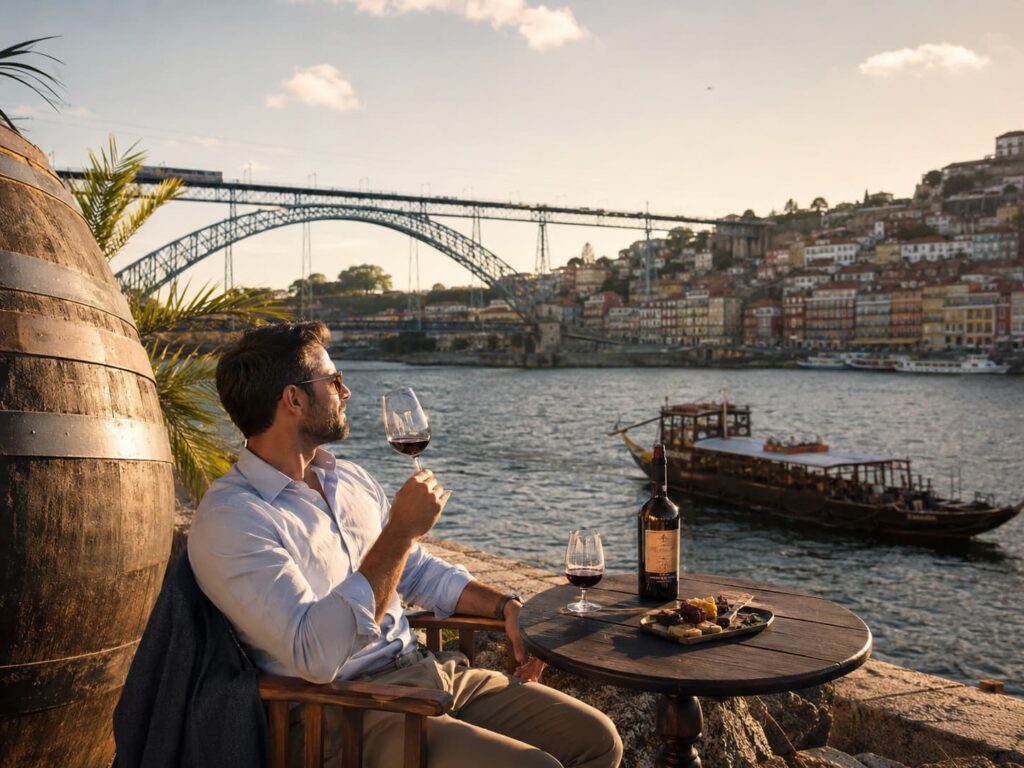
If your timing lines up and you want the real thing, come during the vindima, the harvest, which runs from early September to mid-October. This is when the valley comes alive, and some estates open their vineyards only during this window.
At a few quintas you can join the grape picking, and traditional foot-treading is still practiced in stone tanks called lagares, which is exactly as fun and messy as it sounds. It is the most hands-on, memorable version of a port experience, the difference between reading the docs and actually running the thing.
You have to travel during a specific few weeks, and popular estates book out, so plan ahead if this is the goal.
Best for enthusiasts who want to see winemaking in action, not just the finished bottle.
A Few Practical Things Before You Go
Remember the cellars are in Gaia, not Porto. Walk across the lower deck of the Dom Luís I Bridge, about ten minutes from the Ribeira, or take the Metro to Jardim do Morro on the Gaia side.
Time it well if you can. September and October are ideal for a wine-focused trip, with harvest energy across the lodges and valley. Spring is lovely too. Avoid July and August if possible, when queues are long and the cellar courtyards hit 35 degrees.
A money-saving tip that adds up fast: buy bottles at wine shops in central Porto, not the lodge gift shops, where the same producer and vintage can run around 30 percent more. Pace yourself across the day, drink water between tastings, and eat properly, because these wines are stronger than they taste.
For planning the wider trip, Visit Portugal is a clean official starting point, and Visit Porto covers the city and Douro specifics. Both pair well with any related travel guides already on the site.
Choosing the Right One for You
Porto rewards travelers who match the experience to their time and their curiosity.
Start by comparing your options through Porto Wine Tours so you get a good operator and the right fit. Short on time, do a single Gaia cellar tour. Want the full story, take the Douro Valley day trip. Prefer scenery and ease, take a river cruise. Timing it for autumn and serious about wine, go for the harvest.
However you do it, a proper afternoon in the cellars or a day in the valley resets you far better than another evening on your laptop. You will head back to your backend work, or your next conference session, actually refreshed. That is the whole point of the trip.
Author note: recommendations here are based on established lodges, valley estates, and reputable tour operators. Prices, opening hours, and harvest dates shift year to year, so confirm the current details before you book.